
International training opens doors
To ensure that the qualifications of nurses from outside Germany can be swiftly recognised in Germany, partner universities incorporate key elements of German nursing training into their own curricula. Placements (optional) and train-the-trainer components are also integral elements of the concept of Global Skills Partnerships.
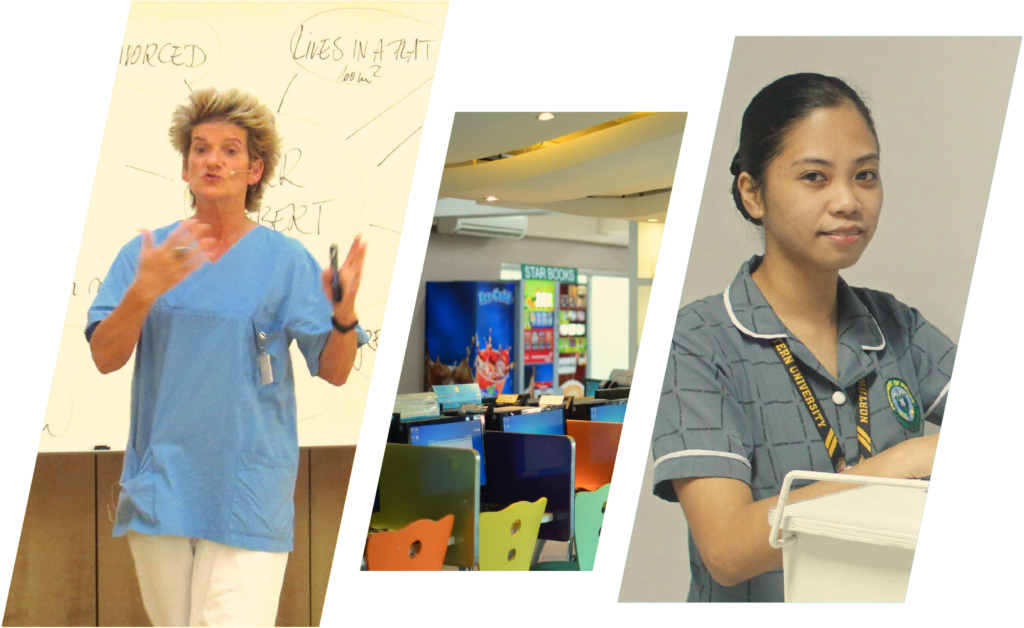
One programme, many options
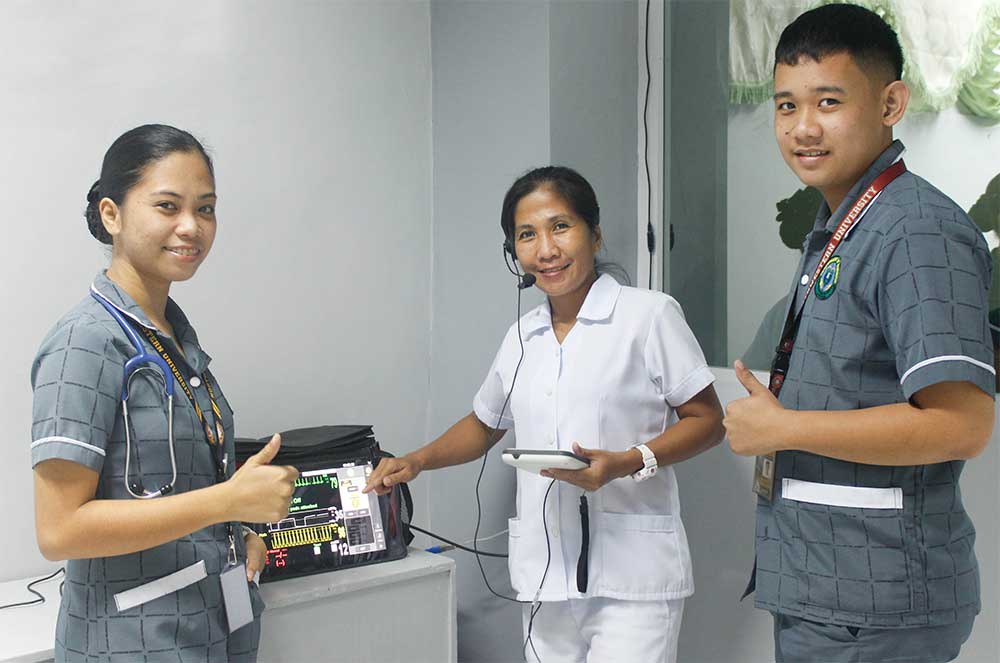
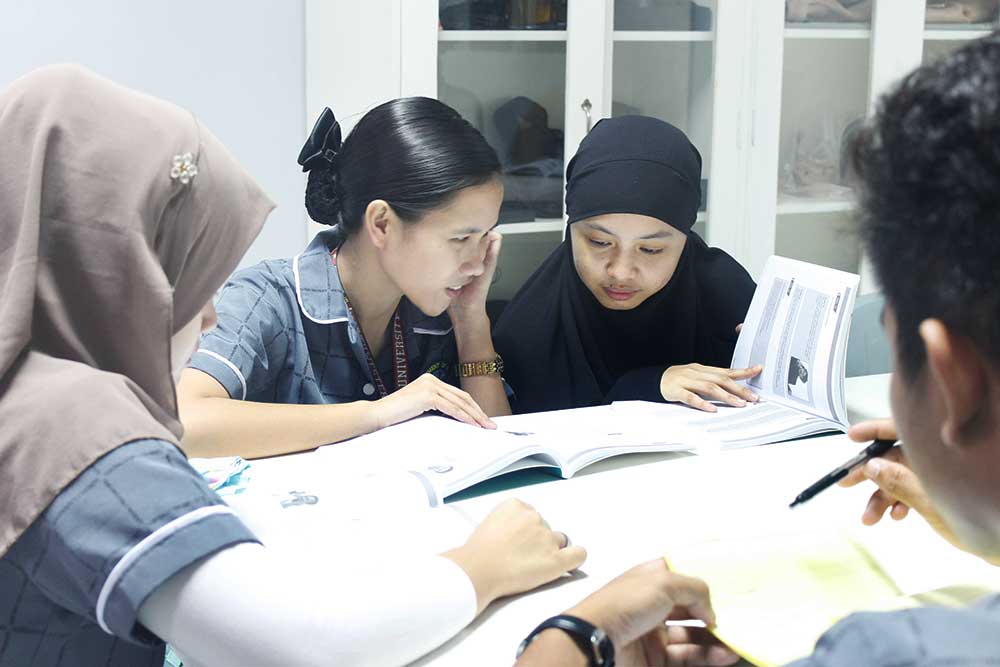
The training content at the partner universities is confirmed by the German Assessment Center for Health Professions (GfG) as part of a model assessment and forms the basis for direct professional recognition in Germany. In addition, if there is interest, an exchange or workshops on different teaching and learning methods at the cooperating clinics/universities in Germany and the countries is established. Train-the-trainer workshops are offered by the German partners, in which the methodology of case-centered teaching and learning is presented and taught. Within the scope of financial possibilities, mutual work shadowing is recommended. In addition, within the scope of financial possibilities, a contribution is made towards equipping the skills labs at the universities in the partner countries. Parts of the equipment rotate between the partner universities for training purposes.
Learning how nursing works in Germany: Selected students in each year group studying at the foreign universities involved in the programme can apply to take part. Special skills labs allow students to apply in practice the theoretical knowledge they have acquired. In accordance with the specifications of the model report, guided practical assignments in long-term care are completed. The participants also attend regular intercultural training sessions as well as general and occupation-specific German language courses, taking them up to the internationally recognised B2 level.
Through optional reciprocal placements for lecturers and supplementary train-the-trainer programmes, the universities in the countries of origin can reap lasting benefit from Global Skills Partnerships.
GSPs in practise: The example of the Philippines

In the Global Skills Partnerships programme in the Philippines, German training content is an integral part of the third and fourth years of the degree course. Two different models are available:
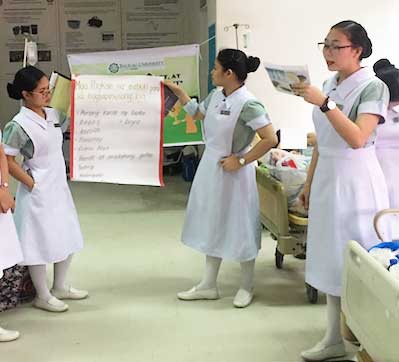
Abroad Track
Students decide to undertake an assignment in Germany. They receive a generalist training, in line with the system in place in Germany, and acquire special expertise in areas such as paediatric and geriatric nursing, which scarcely feature in the curricula in the Philippines. They also obtain an in-depth understanding of the German health system and attend general and occupation-based German language courses. After obtaining a degree in the Philippines, they attend a supplementary semester that focuses on further language and Germany-specific practical training. This helps significantly in speeding up the process of recognition in Germany or recognition can take place directly.

Home Track
Students decide to remain in their home country following the Global Skills Partnerships programme. They are free to choose between the generalist training content offered as part of cooperation with German partners, but they do not take German language courses. They acquire additional professional expertise and can make use of the practical training to further their career in the Philippines. Currently, the Home Track is being implemented. In future it will be an additional training option.


The training partnership with Mexico was designed as a one-year supplementary training programme for both trained and formally not yet qualified nursing staff. The project has now been handed over to the co-operation partners and will be continued independently of GIZ’s Global Skills Partnerships.
Project Implementation:

in cooperation with:

Commissioned and funded by:

